

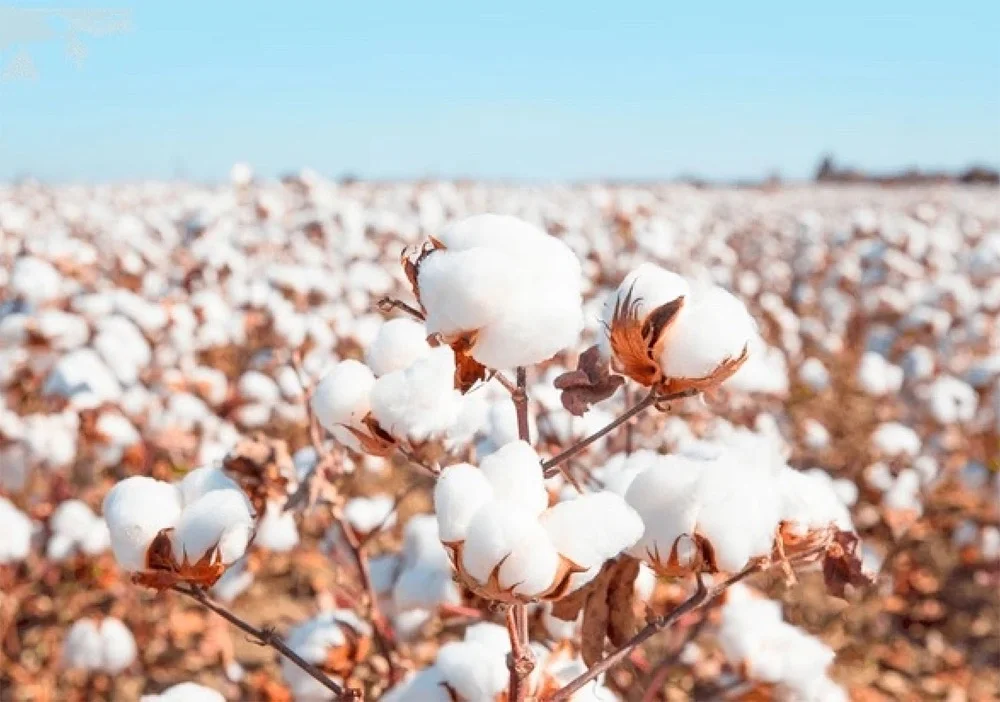
Cotton, often hailed as the “white gold,” has been a cornerstone of textile manufacturing for centuries. Among the various types of cotton, long-staple cotton stands out for its superior quality, strength, and luxurious feel. But what sets long-staple cotton apart, and how is it cultivated and processed to achieve its esteemed status? Let’s embark on a journey through the entire process, from farming to manufacturing, to understand the intricacies of producing the finest quality long-staple cotton.
Cultivation and Farming:
The journey of long-staple cotton begins in the fields, where careful cultivation practices are employed to ensure optimal growth and yield. Long-staple cotton varieties, such as Egyptian or Pima cotton, require specific growing conditions, including warm climates, well-drained soil, and ample sunlight. Farmers meticulously prepare the soil, plant the seeds, and provide adequate irrigation and fertilization throughout the growing season to promote healthy plant growth and fiber development.
Growth and Maturation:
As the cotton plants mature, they begin to flower, producing delicate blooms that eventually give way to bolls containing the prized cotton fibers. Long-staple cotton varieties are characterized by their longer, finer fibers, which contribute to their superior quality and durability. Farmers monitor the progress of the crop closely, ensuring proper pest and weed management to protect the plants and optimize fiber development.
Harvesting:
Harvesting long-staple cotton is a meticulous process that requires precision and care to preserve the integrity of the fibers. Unlike shorter-staple cotton varieties, which are often machine-harvested, long-staple cotton is typically harvested by hand or with specialized equipment designed to minimize damage to the delicate fibers. Once the bolls reach maturity, they are carefully picked, ensuring that only the highest-quality fibers are harvested for processing.
Ginning:
After harvesting, the cotton fibers undergo ginning, a process that separates the raw cotton from the seeds and other plant debris. Ginning machines carefully extract the fibers from the bolls, cleaning and purifying them to prepare them for further processing. This step is crucial in ensuring that the cotton fibers are free from impurities and ready for spinning into yarn.
Spinning and Weaving:
Once ginned, the long-staple cotton fibers are spun into yarn, either through traditional methods or modern spinning techniques. The resulting yarn is then woven into fabric using specialized looms, where the fibers are interlaced to create the desired texture, strength, and appearance. Long-staple cotton fabrics are known for their smooth, lustrous finish and superior drape, making them highly sought after in the textile industry.
Finishing and Quality Control:
After weaving, the cotton fabric undergoes a series of finishing processes to enhance its appearance and performance. This may include treatments such as bleaching, dyeing, and softening to achieve the desired color, texture, and hand feel. Throughout the manufacturing process, rigorous quality control measures are implemented to ensure that the finished product meets the highest standards of quality and consistency.
End Products:
Long-staple cotton fabrics find their way into a wide range of end products, from luxurious bedding and bath linens to high-end apparel and textiles. Known for their exceptional durability, softness, and breathability, these fabrics offer unparalleled comfort and elegance, making them a favorite choice among discerning consumers worldwide.
In conclusion, the journey of long-staple cotton from farm to fabric is a testament to the dedication, skill, and craftsmanship of farmers, artisans, and textile manufacturers. Through careful cultivation, harvesting, and processing, long-staple cotton is transformed into fabrics of unparalleled quality and beauty, enriching our lives with comfort, style, and luxury.
 No products in the cart.